

How Active Play Helps Your Baby Sleep Better (By Age)
Stimulating your child's brain during playtime — and giving them situations where they can explore — helps them learn and grow through new experiences. It also has a direct, measurable impact on how well they sleep.
Engaging in active play helps babies build strong muscles, improve coordination, enhance their sense of balance, and develop fine and gross motor skills. To achieve good naps, your baby needs plenty of stimulating activity during their wake windows.
Incorporating active playtime into your baby's daily routine goes beyond physical exercise — it's a fundamental building block for their holistic development and wellbeing. If your baby doesn't get enough active playtime, you may experience protesting at nap time and/or catnapping.
By engaging in regular active play, you're not only nurturing your baby's physical abilities, you're laying the groundwork for healthy sleep patterns. Play is one of the most powerful tools available for promoting restful and rejuvenating sleep.
Important: Babies get bored just like adults. For babies under six months of age, keep each activity to a maximum of 15–20 minutes. After this, your child will show signs of being bored — which is often confused with hunger or tired cues. In fact, they're just telling you they want to do something else.
The Benefits of Active Playtime
Energy Expenditure
Active playtime allows babies to expend excess energy, which helps prevent restlessness and hyperactivity during sleep. When babies have an opportunity to move, crawl, and explore during the day, they're more likely to feel calm and tired by bedtime.
Regulation of Circadian Rhythm
Exposure to natural light during active playtime helps regulate your baby's internal clock — their circadian rhythm. This aligns their sleep-wake cycle with the day-night cycle, leading to more predictable and consistent sleep patterns.
Stress Reduction
Active playtime encourages the release of endorphins — the body's natural "feel-good" hormones — which help reduce stress and anxiety. A calm, relaxed baby transitions into peaceful sleep far more easily.
Improved Sleep Depth and Duration
Babies who engage in regular active play are more likely to experience deeper, longer sleep. Physical activity promotes healthy sleep cycles, allowing babies to progress through the various sleep stages — including restorative deep sleep.
Enhanced Sleep Onset
Active playtime contributes to the production of melatonin, the hormone that regulates sleep onset. Exposure to natural light and physical activity during the day synchronises melatonin production, making it easier for babies to fall asleep when night falls.
Age-by-Age Activity Ideas
0–6 Weeks
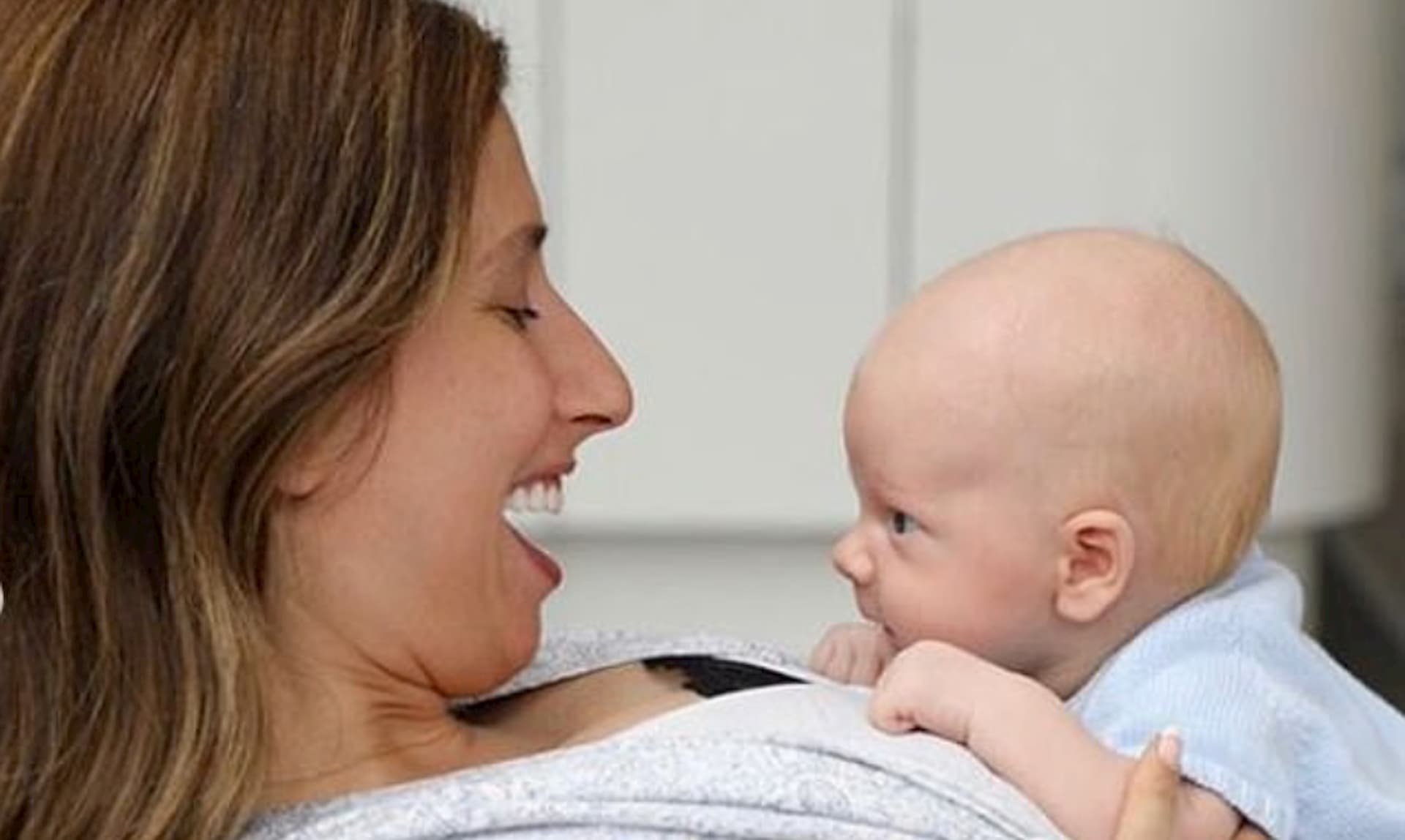
During the first six weeks, your newborn won't have a lot of awake time — so activity can be as simple as a bit of tummy time, even if that's done on Mum or Dad's chest.
6–12 Weeks
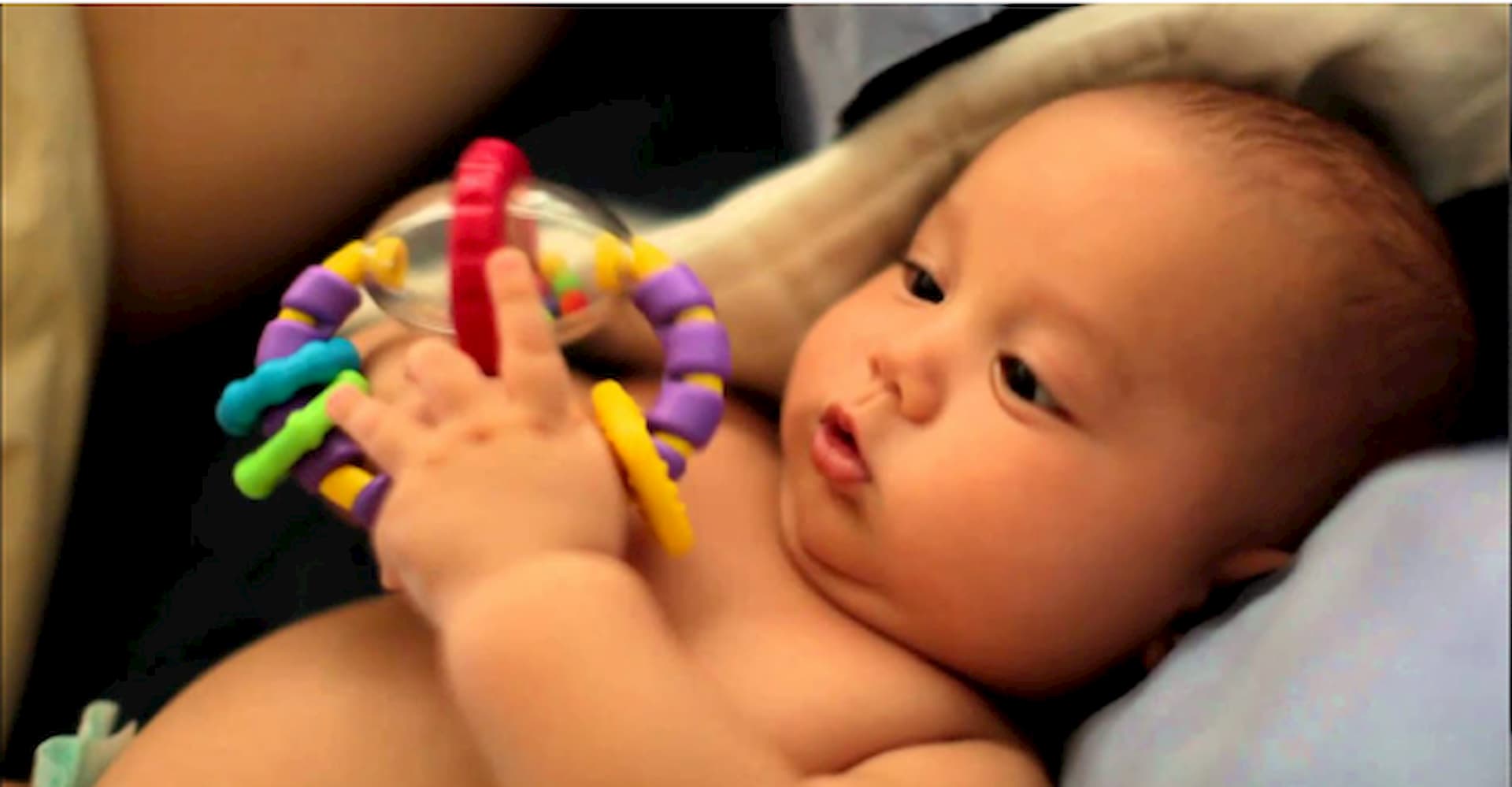
At this age, you have about 60–90 minutes of awake time which includes feeding, burping, and nappy changes. This typically leaves you with around 30 minutes of activity time.
Some ideas:
- Read a book together
- Sing songs
- Alternate between an activity play mat and baby swing
- Explore cloth books with different textures
3–6 Months
Your baby is now capable of staying awake between 90 minutes and 2 hours, which is where getting creative pays off. Remember, your baby needs a new activity every 15–20 minutes.
Some ideas:
- Play with rattles
- Practice holding new toys
- Use an activity mat and encourage movement by placing toys nearby
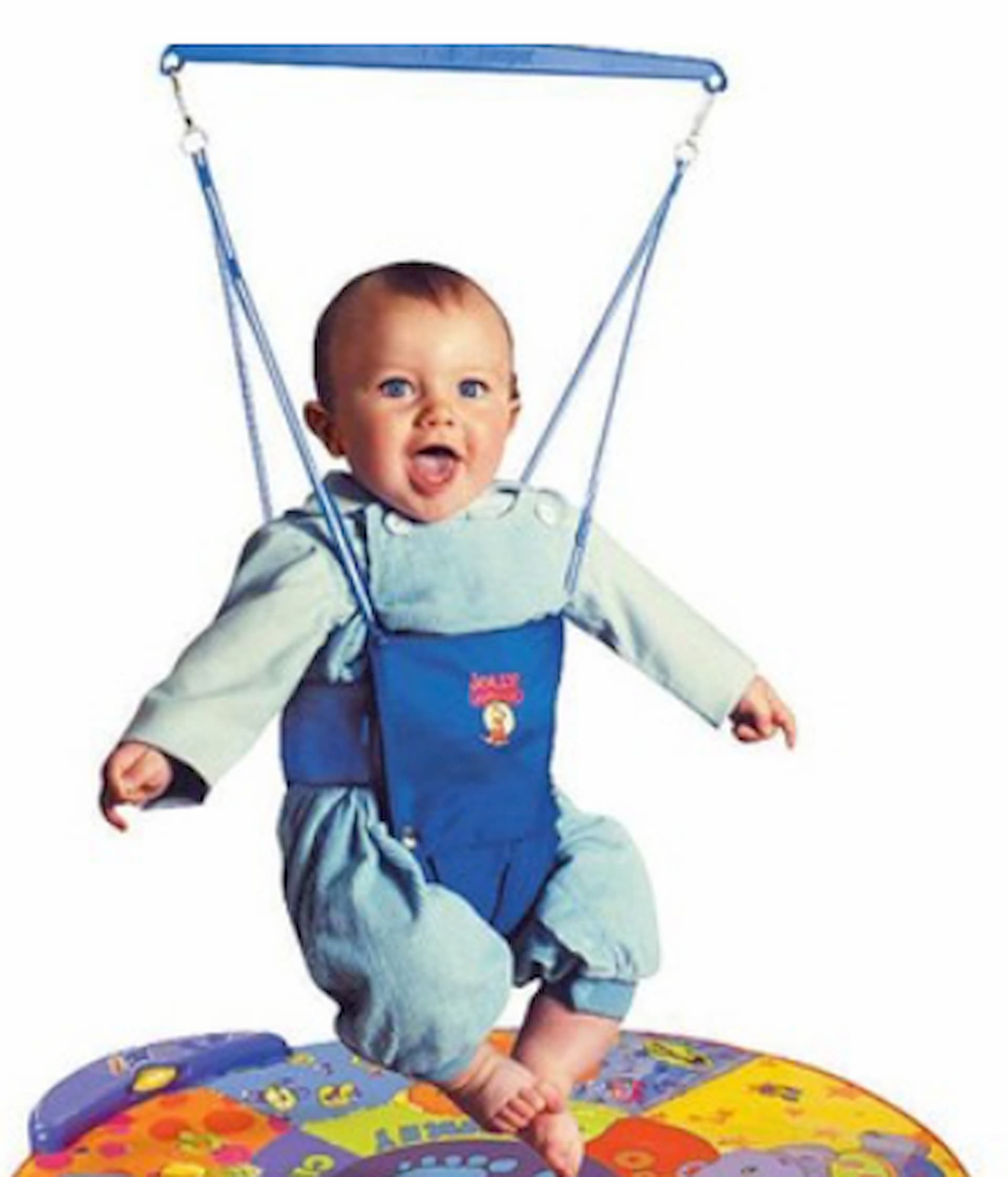
- Jolly Jumper
- 5 minutes in a Bumbo to break up the time, activities, and position from lying down
- Take your baby outside for 15 minutes to look at the sky, leaves, cars, etc.
6–12 Months
Your baby is well and truly on the move by now — and if not, they won't be far away. You'll generally have between 2.5–3 hours of awake time. This is an excellent opportunity to get out and about.
Try a playgroup, swimming lessons, baby sensory, or a mums fitness or yoga class. Some other ideas:
- Play with toys that let your child push a button to make something happen
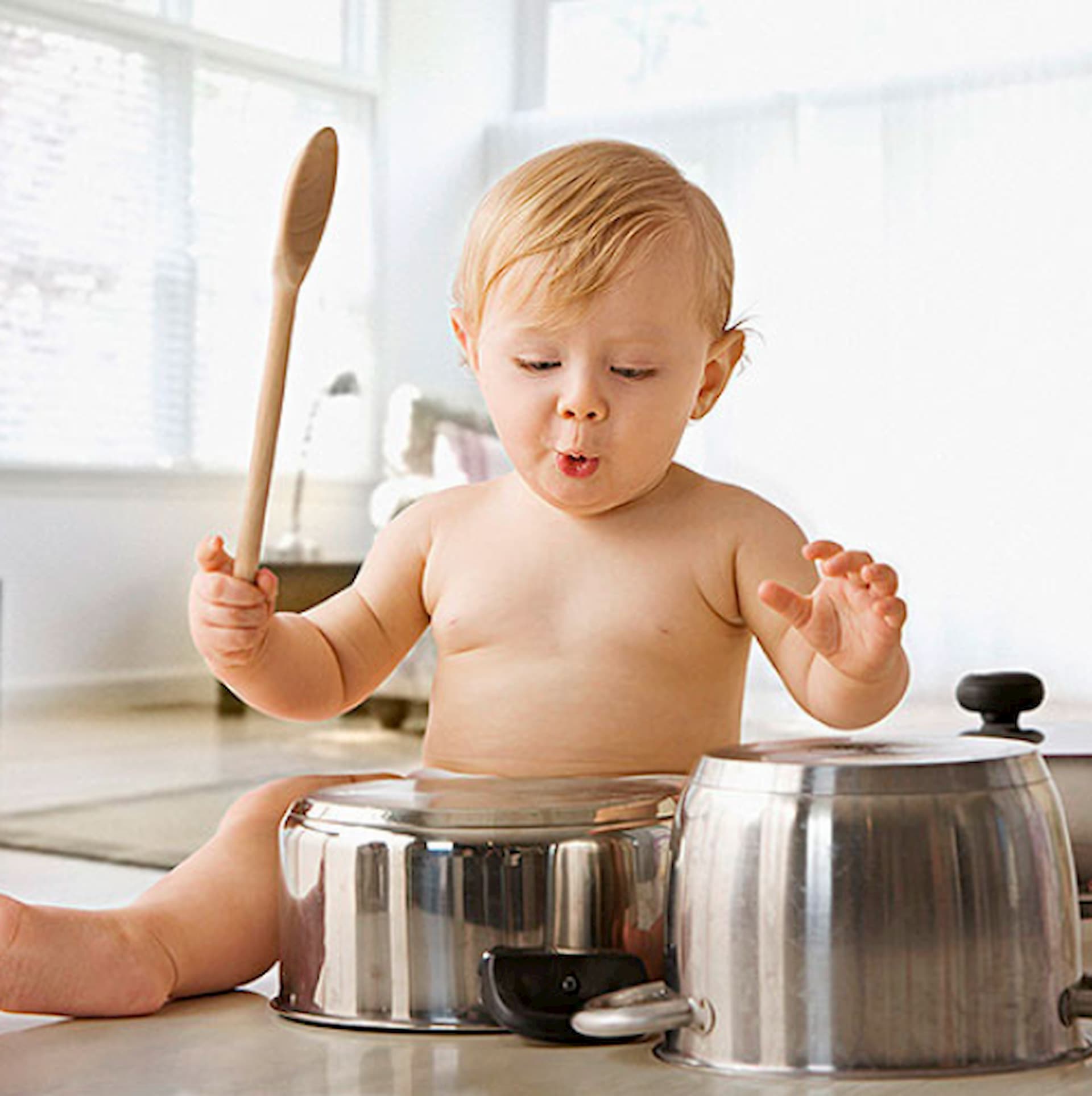
- Get out your pots, pans, and Tupperware
- Play with blocks and practice stacking
- Water play, or taking a bath in the sink
- Create a ball pit
- Clap together
- Peekaboo
12–18 Months
Now that you have a toddler on your hands, it's time to increase the active playtime. With more awake time than ever before, this is a great opportunity to get out and about. Try a playgroup, swimming lessons, or running around at the park.
Some other ideas:
- Building and stacking blocks
- Play-Doh
- Felt play mats
- Putting straws in an empty plastic water bottle
- Flap books
- Stickers
- Musical instruments
- Clipping pegs on the edge of an empty box
- Painting or finger painting with food colouring

18 Months – 2½ Years
Children get plenty of stimulation and interaction at kindy or day care, but recreating that at home can feel near impossible. That said, prioritising some movement and fresh air with your toddler is essential.
Toddlers on one nap a day typically need it offered 5–6 hours after they wake — usually between 11:30am and 12pm.
Some ideas:
- Water play with ice and a whisk
- Writing on a chalkboard
- Play dough
- Bubble play
- Painting or finger painting with food colouring

2½ – 4 Years
By now your toddler is up and about with more awake time than ever before. If they don't get a chance to release some of that energy, they may put up a fight come nap time — simply because they aren't tired enough.
Prioritising movement, fresh air, and a bit of brain work in the morning can do wonders. Some ideas:
- Digging for treasure
- Treasure hunting
- Dance party (in the living room!)
- Running
- Climbing a tree
- Bike ride or scooter
- Set up an obstacle course
- Finger painting
- Hide and seek

You're Closer Than You Think
"Working on your baby's sleep doesn't mean breaking any bonds or attachments you have with your little one."
If you're feeling confused, exhausted, or just not sure where to start — rest assured, you're not alone. Sleep struggles are one of the most universal experiences in early parenthood, and they're also one of the most solvable.
Whether you implement one idea from this guide tonight or decide you'd like personalised support, know that better sleep is genuinely within reach. I've seen it hundreds of times — and I know it's possible for your family too.